FAQ | Frequently Asked Questions
Topic: Kaffeekommune
- What is Kaffeekommune?
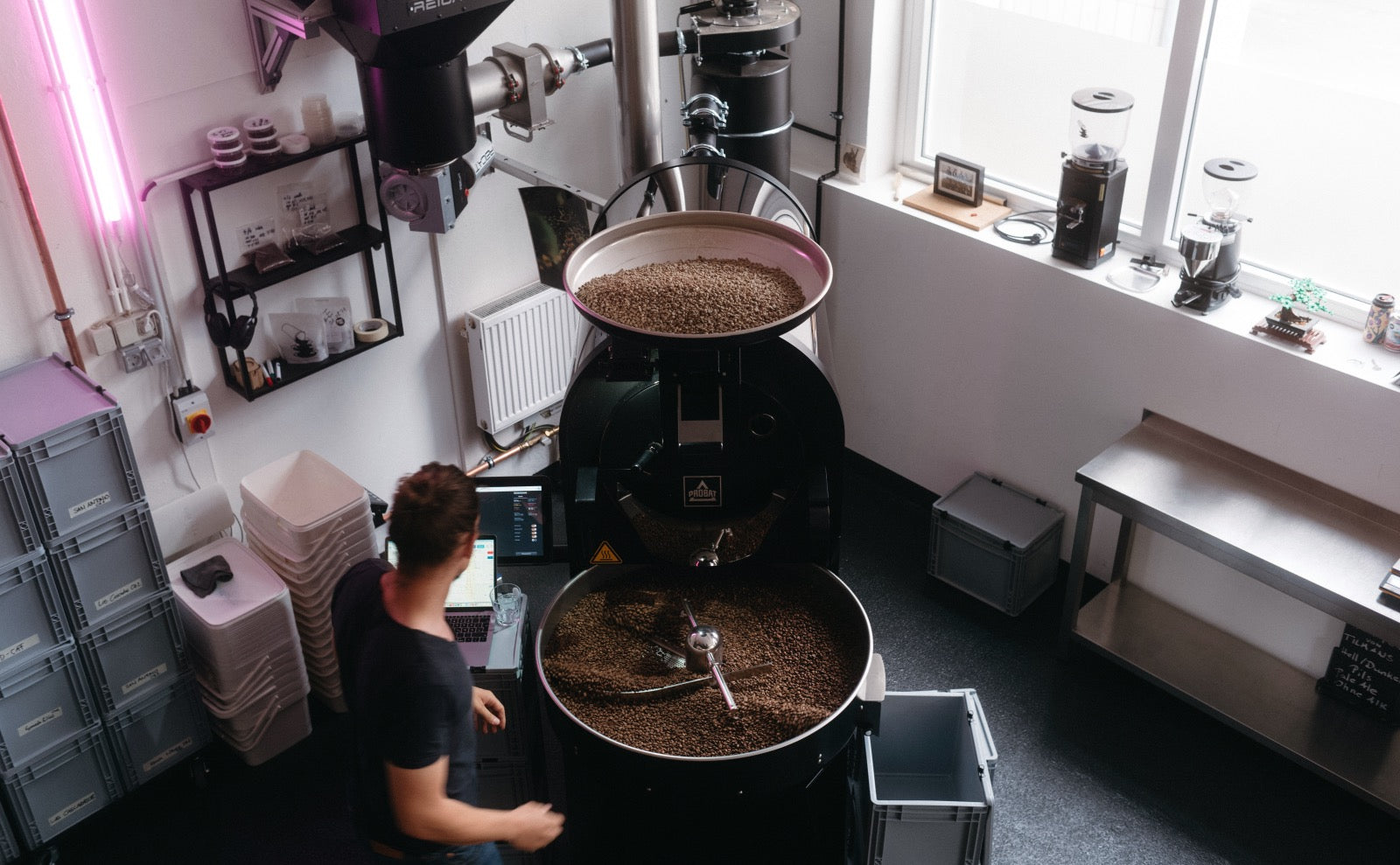
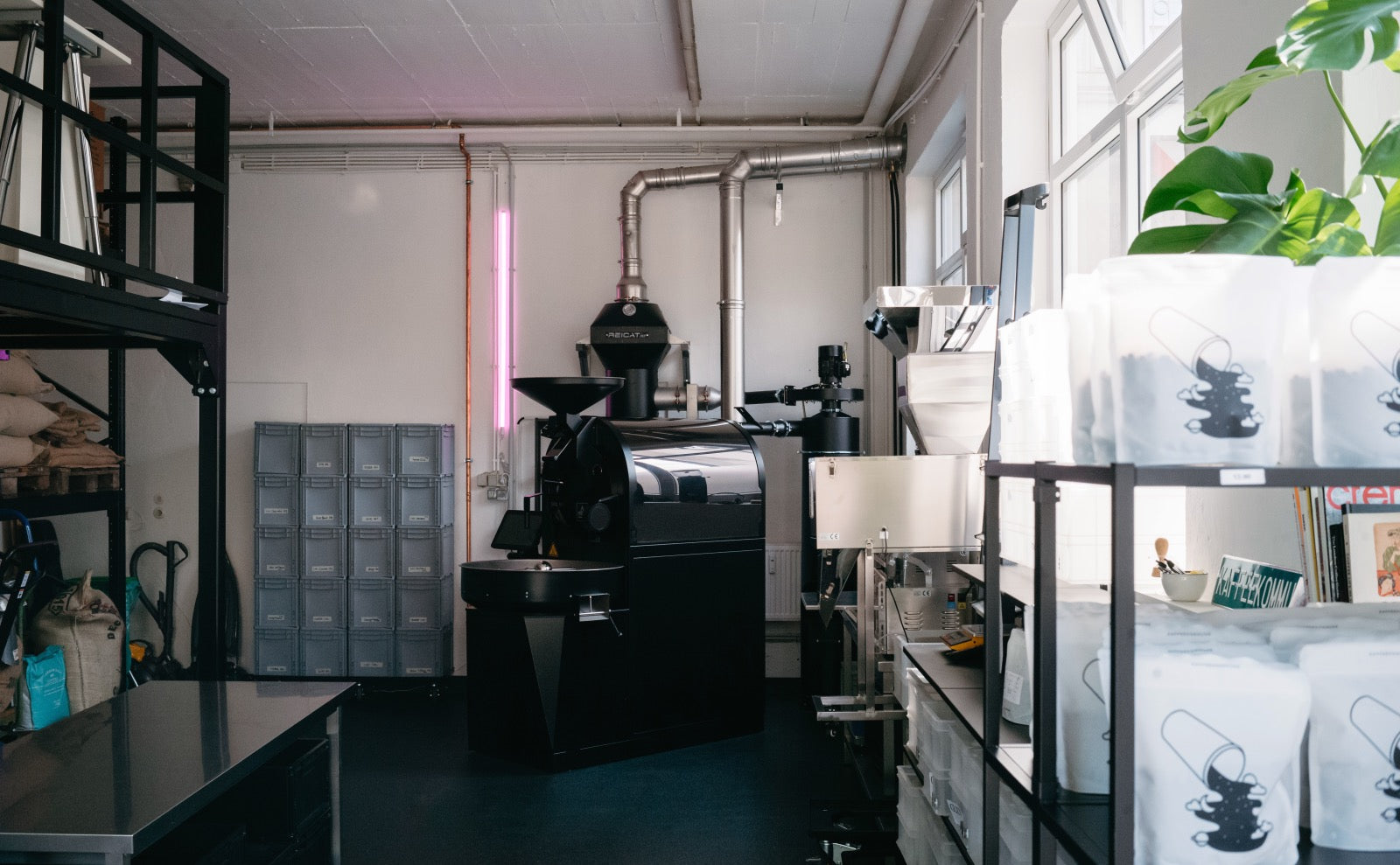
Kaffeekommune is a specialty coffee shop & roastery in Mainz. For over ten years, we have stood for the highest quality, a conscious approach to nature, and attention to detail.
- What does Kaffeekommune do?
We run a cafe, roast our own coffee, have an online shop, and offer courses on specialty coffee. We also supply selected gastronomic establishments and offer event catering upon request.
- Where do your coffees actually come from?
Coffee is a natural product grown in many countries around the world. For us, the taste is the most important factor when selecting green coffee. We therefore choose our assortment based solely on outstanding taste and the best quality, regardless of the country of origin.
Topic: Coffee
- What is Specialty Coffee?
Specialty coffee is, first and foremost, the simple term for green coffee of a certain quality. The coffee is sensory evaluated through tasting in the country of origin. The grading system for this was developed by the Specialty Coffee Association and is internationally uniform. On this scale of up to 100 points, specialty coffee ranges between 80 and 100 points; anything below that is conventional coffee, like what you find in supermarkets. For us, this professional definition is paramount. Of course, this rating also comes with taste. Coffee is not just black and hot, but fruity and naturally sweet. However, for us, specialty coffee is not just a simple product, but the attitude with which coffee is sourced, roasted, prepared, and served!
The term is often associated with various other meanings (cultivation, payment, trade, sustainability, etc.) and sometimes misused. Above all, specialty coffee is not a cool trend, but an important quality designation for our daily work and guarantees the sensory connection to the origin.
- Are your coffees organic / fair trade or similarly certified?
No, our coffees do not (yet) carry any seals or certifications. There are several reasons for this. While sustainable certifications do exist in the coffee industry, they should be treated with caution. Such certifications in coffee-growing countries have little to do with the food labels we know in Europe. Many coffee farmers also cannot afford the costs of such a process, even though they often meet the criteria. So, if you see coffee with organic labels in the supermarket, these are often green coffees purchased from large producers, which in turn have little to do with specialty coffee. We buy our coffees from small, known farms and cooperatives. Just because small farmers do not sell certified coffee does not automatically mean that the coffee is not grown sustainably.
As a sustainably oriented company, we would very much like to sell certified coffees, but as long as sufficient framework conditions are not in place, we continue to treat the issue with caution. We support a future of sustainable and organic agriculture and are always looking for ways to help realize this vision.
- What is a light roast?
During roasting, the coffee bean goes through various phases. The moisture stored in the green coffee changes the pressure inside the bean, leading to a cracking sound, known as the first crack, somewhat like popcorn. Before the first crack, the coffee is underdeveloped and will taste rather vegetal and grassy. After the first crack, the longer the roasting continues, the more roasted flavors the coffee develops. With a light roast, the goal is to fully develop the aroma in the coffee while avoiding roasted flavors. This allows the full potential of the coffee's origin to unfold and best represents what is inherent in the bean.
- What does natural or washed mean?
These two terms describe coffee processing methods, i.e., the way the coffee cherry is processed. During processing, the coffee cherry is separated into its individual components to ultimately get to the coffee bean, which is important to us. The most well-known methods are Natural (dry processing) and Washed (wet processing).
For a Natural, the bean is dried together with the coffee cherry. This can take up to three weeks, during which the coffee cherries must be turned repeatedly. Natural coffees are characterized by a very berry-like and sweet note with more body.
For a Washed, the bean is first separated from the pulp through a fermentation process and then dried. Washed coffees are more fruit-driven and zesty, with a fine complexity.
Depending on the country of cultivation, region, climate, and the plant itself, the same processing methods are applied differently. In addition, there are several other variations that derive from and lie between the two common methods (e.g., pulp natural or honey) or are processed differently or in modern ways (anaerobic fermentation, carbonic maceration, etc.). This is of course not always the case, but variable and also depends on many other factors that make coffee what it is.
- What is a varietal?
This refers to the coffee varieties planted on a farm. The genus coffee is divided into different species, of which Arabica and Robusta are the best known. Coffea arabica and Coffea canephora (also called Robusta) are also the most commonly cultivated and are over 10,000 years old, with Arabica itself even originally emerging from Robusta and another species. Especially from the Arabica species, new varieties emerge year after year, sometimes artificially crossed through hybrid breeding, sometimes purely by chance through natural mutation. This diversity of varietals (now over a thousand different ones!) ensures, in addition to origin and processing, the ever-changing diversity in your cup.
- Why are your packaging made of plastic?
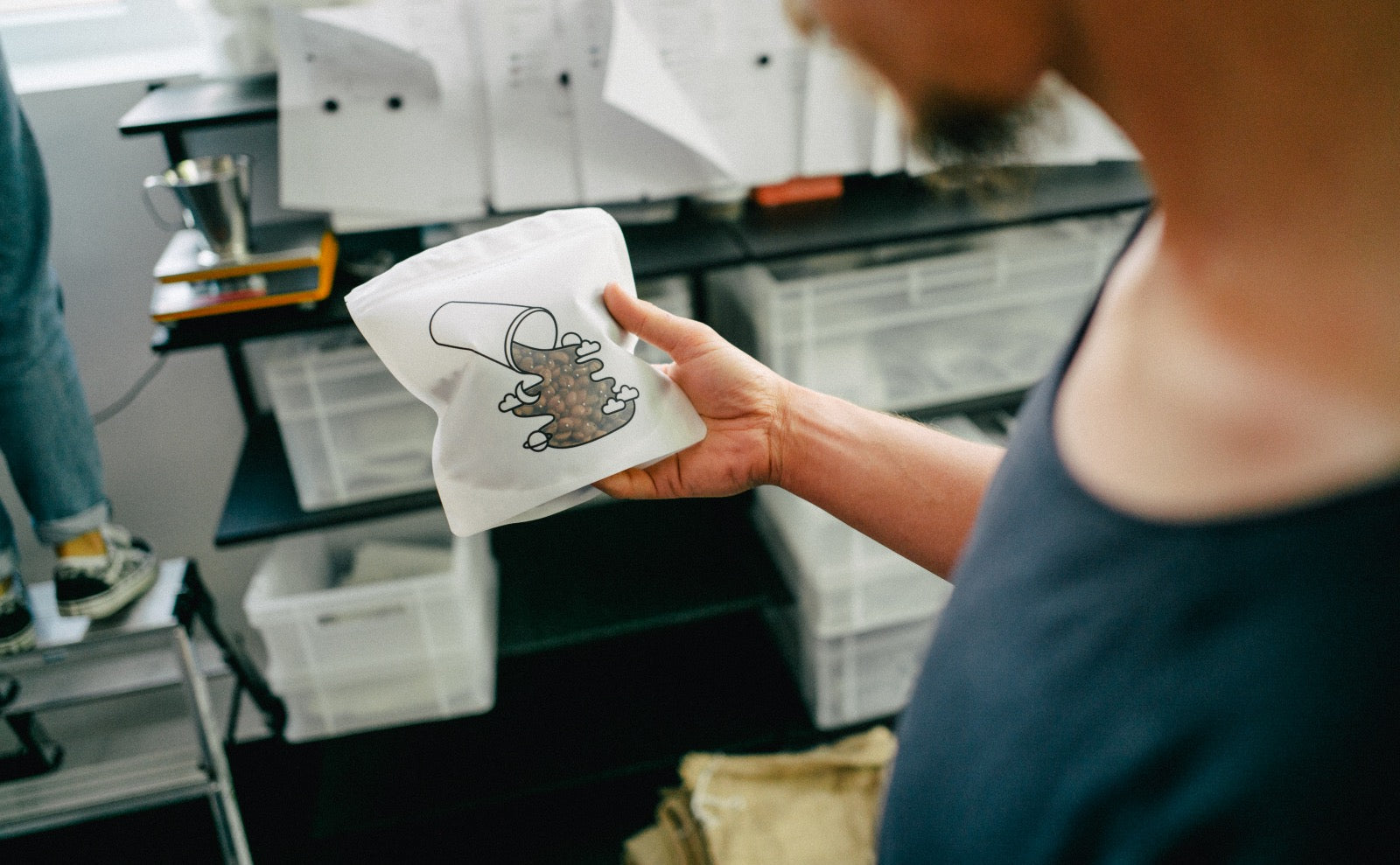
Coffee packaging made of composite materials, which are often used for coffee, are not recyclable. Such composite bags often consist of paper, plastic, and metal and therefore cannot be separated by type. We have thought long and hard about our coffee packaging. At first glance, paper bags appear to be a sustainable alternative for coffee, but often they are coated or do not consist solely of paper. That's why we opted for a sustainable packaging option: All our coffee packaging is made of Low Density Polyethylene and, unlike traditional plastic and plastic composite bags, is fully recyclable.
- What does coffee actually taste like?
Coffee tastes of many things, just not of coffee! The generally known taste profile of dark, black, and bitter actually has very little to do with coffee and is mainly caused by roasting that is too hot and too long. High-quality and well-roasted coffee is the most complex beverage in the world and has a greater variety of aromas than, for example, wine, tea, or whiskey.
- Why does your coffee cost more than in the supermarket?
Many people find specialty coffee particularly expensive; actually, the question is why conventional coffee is so cheap. Coffee is a natural and seasonal luxury good that requires a lot of work and attention from the coffee farmer. Contrary to today's rule, it is not an industrial product. Conventional coffee becomes so cheap through pure mass production, where no value is placed on quality or the avoidance of defects, nor on sustainability. A coffee farmer who grows such coffee is paid at the world market price and cannot even remotely make a living from coffee farming. Specialty coffee is thus "expensive" because we pay a genuinely fair price for a great, high-quality product and the important and good work of the coffee farmer.
- Why do you only sell your coffee in small packages?
Most of our coffees are sold in the standard size of 250g. This package size has proven effective, especially when it comes to protecting the aroma of the coffee sufficiently for a reasonable quantity of beans. Most customers also regularly switch their coffees and manage well with this amount. For our classic coffees (Odyssee, GLXY, and Las Cascadas), we also offer a 1000g variant if you drink a lot of coffee or want to keep the same bean at home for longer.
- Why should I grind my coffee fresh?
If you have the option and your own grinder, we always recommend grinding your coffee yourself and fresh. Already after 30 minutes, you will notice a significant difference in the aroma of your ground coffee. Freshly ground coffee has not lost any aroma yet and will give you a delicious cup!
- Can I have my coffee ground at your place?
Yes, you can have your purchased coffee ground at our cafe and roastery, both online and in person, to your desired grind size.
- How long does your coffee last?
If you store your coffee dry, it cannot actually go bad. However, it will almost completely lose its aroma and likely taste bitter and old. That's why we give a best-before date of six months after roasting. For a truly good taste experience, we recommend consuming the coffee within eight weeks of the roast date.
- What is the best way to store my coffee?
Coffee is a fresh and natural product. As such, you should not leave it lying around openly; it is best to store it dry and airtight (oxygen and coffee are not friends), in a dark place, and at room temperature. Under no circumstances should you put coffee in the refrigerator, as the beans will absorb odors and moisture like a sponge. Coffee, however, can be frozen well if certain aspects are adhered to. If you want to know more about coffee storage, feel free to watch our YouTube video on the topic!
- How freshly roasted is your coffee?
We roast new coffee every week and provide you with a fresh product. Typically, the coffee arrives at your place one to seven days after roasting. Sometimes you might receive slightly older coffee because we always use up our existing stock. That's not a problem, quite the opposite! This way, you don't have to let the coffee rest and can prepare it deliciously right away :)
- When can you prepare the coffee for the first time?
There are no fixed guidelines for this; every coffee is different and develops differently. Some are perfect after one or two weeks, while others only reach their peak a month after the roast date. Very fresh coffee is by no means bad, but it will probably taste a bit flat because the coffee needs some time to degas after roasting. Generally, you can prepare espresso a bit earlier than filter coffee, so if you have the option, wait a few days before opening the package – it will be worth it for the taste!
- Why don't you have sugar?
Specialty coffee is a high-quality product that, when roasted correctly, is not bitter. Such coffee, when prepared well, tastes pleasantly sweet and fruity. The farmer put a lot of effort and thought into cultivation and processing! Sugar can reduce the natural complexity of the cup and thus diminish its flavor value.
- Do you have brewing recommendations?
Check out our YouTube channel and the blog on our homepage:
- Pour-over V60
- Aeropress
- French Press
- Espresso
- What does "omni" on the packaging mean?
Traditionally, coffee is often divided into "filter" and "espresso." However, these categories are not naturally given and are created by different roasts. We are convinced, and roast accordingly, that you can perfectly prepare our coffee as both espresso and filter – hence the "omni" :)
- Why is my favorite coffee no longer in your assortment?
Coffee is a very seasonal product. Every year, the product changes due to countless factors. Even coffees from the same farm are no longer identical the next year. That's why we always buy new and different green coffees. Depending on how much green coffee is purchased, you will find some coffees on our shelves for a few months, some for longer.
Topic: Online Shop
- Can I pick up my coffee at your place?
Yes, you can pick up ordered coffee at our cafe. So, if you live nearby, we recommend this option – it's simpler and more sustainable :)
- Do you also offer equipment for home use?
Yes, you can buy equipment for home use from us, partly online and partly on-site at the café and roastery. We have various brewing equipment, filter paper, hand grinders, cleaning supplies, and much more!
- Do you also sell espresso machines and offer a service for repairs and spare parts?
Yes, Kaffeekommune is an official partner of La Marzocco and offers both espresso machines and qualified service.
Topic: Courses
- Do you offer courses?
Yes, you can book courses with us on topics such as Home Barista, Coffee Tasting/Cupping, and Brewclass.
- How long do the courses last?
The Home Barista and Brewclass courses last approx. two and a half to three hours, the Cupping course one hour.
- How many people participate?
The Home Barista and Brewclass courses usually have four to six participants, while a Cupping session can have up to eight participants.
Topic: Newsletter
- Do you have a newsletter?
Yes, we regularly send out newsletters on various topics. Feel free to sign up via our homepage!
- Do I only receive advertisements from you?
No, don't worry! Our newsletter comes out on average once a month and provides you with the most important information about Kaffeekommune. News, product information, or even expert knowledge on specialty coffee are just a few examples!
- Can I unsubscribe from the newsletter?
Of course, you can unsubscribe from the newsletter at any time. The best way to do this is to use the link you'll find at the very bottom of every newsletter, and feel free to give us your feedback :)
Topic: Vouchers
- Do you sell vouchers?
Yes, you can buy vouchers from us, both for a fixed amount and directly as a voucher for a course. However, currently, the vouchers can only be purchased and redeemed online.
Topic: Subscription
- Do you offer a subscription for your coffee?
Yes, you can easily purchase a subscription for our coffee from us. You can choose between our classic coffees and, alternatively, the "Paul's Choice" subscription.
- What are the advantages?
Essentially, with our coffee subscription, you no longer have to worry about your order – fresh coffee every month! For our three classic coffees, you get a 10% discount on the single purchase price. With Paul's Choice, you receive a different coffee selected by Paul for a fixed price. Additionally, you get detailed coffee information plus preparation recommendations with a suitable recipe!
- How long is the subscription term?
Changes to the type and scope of the subscription are possible at any time via the customer portal. There is no fixed term or hidden costs. After the order has been successfully placed and shipped, you will automatically receive your invoice via email.
Topic: B2B
- Can one purchase your coffee for one's own gastronomy business?
Yes, you can purchase coffee from us for your own gastronomy business. It's best to send an inquiry to info@kaffeekommune.de!
- Do you also offer catering?
Yes, we also offer catering for events upon request. Just ask!
- We have a great product for you to sell, can we send you a sample?
Yes, please inquire and register in advance at info@kaffeekommune.de :)